The port
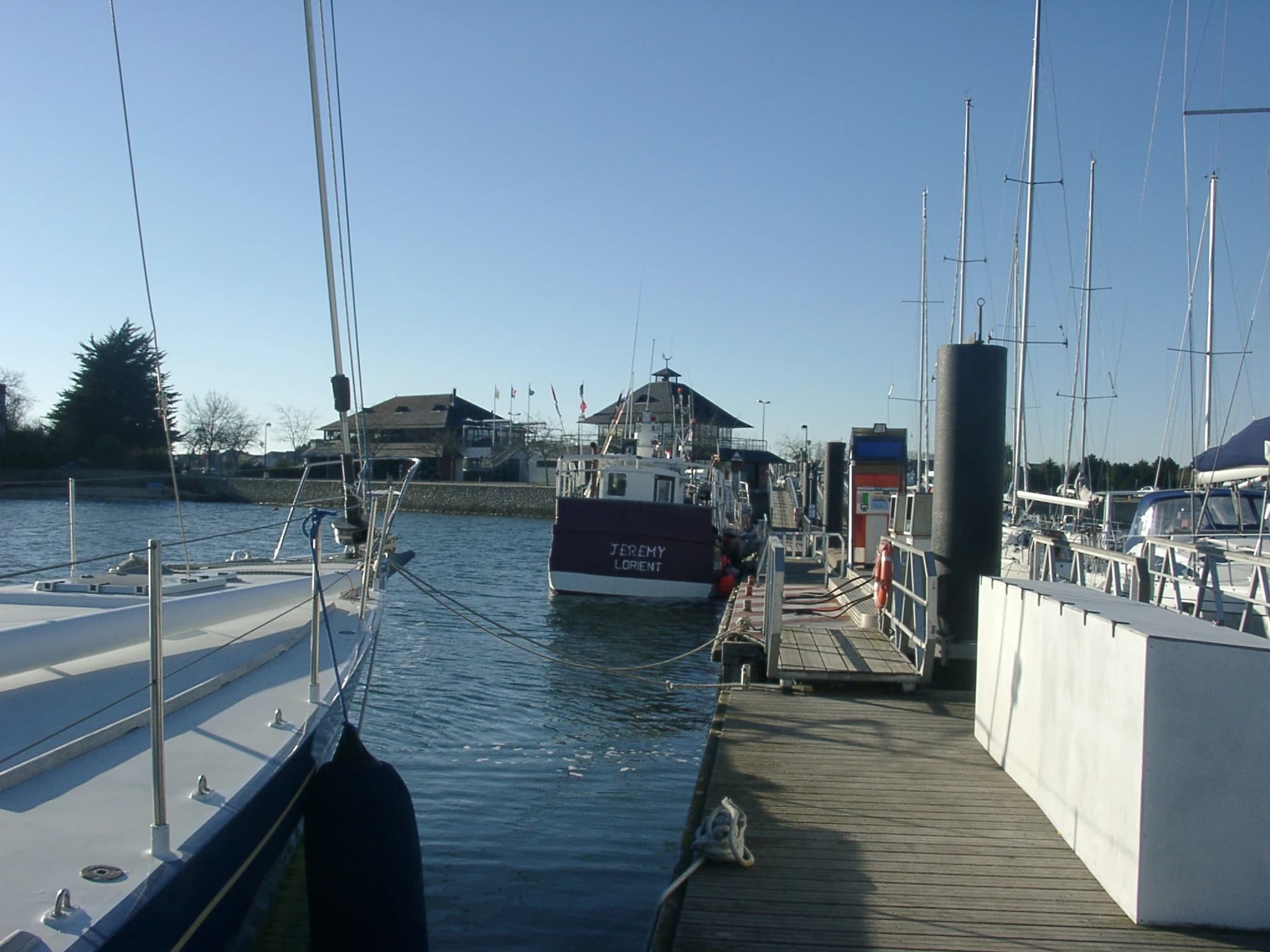
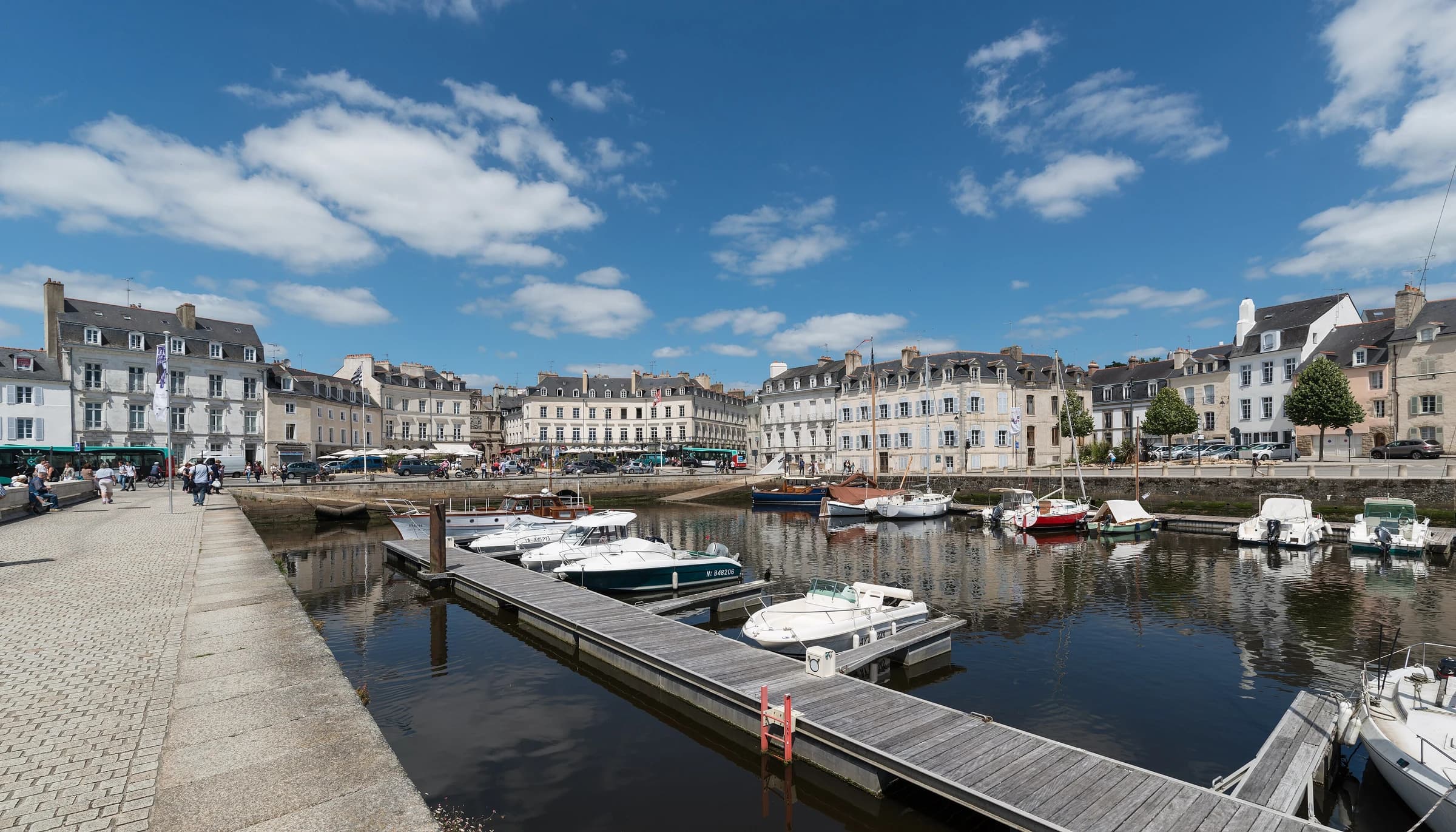
A marina at the heart of Vannes, deep in the Gulf of Morbihan, with a floating basin, a lock and around 300 berths beside the historic walled town.
Port de Vannes sits in a sheltered position at the head of the Gulf of Morbihan, right in the town centre, at the end of a marked channel about 1,200 metres long linking the basin to the waters of the gulf. Access is via the Kerino bridge and a lock that keeps the water level of the floating basin constant regardless of the tide. This layout gives the port a calm, wind sheltered setting while keeping a direct link to the many islands and anchorages of the gulf.
Laid out as a floating basin, the port offers around 300 berths shared between annual berth holders and visiting yachts. The harbour office, on the left bank, provides the usual services of a town centre port: water, electricity, sanitary facilities and crew reception. Both quaysides were redeveloped in the late 2000s, with granite esplanades, an underground car park, the tourist office and a cultural kiosk set close to the quays.
The waterfront is lined with an animated urban front of shops, bars and restaurants, and opens onto the Promenade de la Rabine, a tree lined walkway extending for several hundred metres to the south. To the north, the quays lead directly to the ramparts of the old walled town and to the Porte Saint-Vincent, the traditional gateway into old Vannes with its half timbered houses, Saint-Pierre cathedral and La Cohue. This immediate closeness between the port and the historic centre makes strolling on foot one of the most natural ways to enjoy the area.
Vannes takes its name from the Veneti, a Gallic seafaring people settled in the region whose fleet fought against Julius Caesar's forces in the 1st century BC, according to ancient sources cited by several regional tourism guides. The town later became, in the 14th century, the capital of the Dukes of Brittany, before hosting in 1532 the act of union between Brittany and the Kingdom of France. The port in its present layout dates largely from the 15th century, although remains uncovered during excavations suggest, according to some sources, port activity as far back as the Gallo-Roman period.